
TL;DR
If you’re a local business owner navigating the digital landscape in India, you’ve likely come across both Zopnote and Dukaan. This is not a case of one platform being "better" than the other. They are different products solving different problems: Dukaan helps you open an online store, while Zopnote helps you run the complete operations of a local business. Choosing the one that matches your business model determines how much control you keep over your margins and your growth.
Quick Summary
| If You Want To... | Choose |
|---|---|
| Launch a simple online store | Dukaan |
| Manage recurring customers | Zopnote |
| Collect subscription payments | Zopnote |
| Manage apartment associations | Zopnote |
| Run a newspaper delivery business | Zopnote |
| Manage home bakery orders | Zopnote |
| Create a product catalog quickly | Dukaan |
| Own customer relationships | Zopnote |
Key Takeaway
Dukaan is primarily an online storefront builder.
Zopnote is a Local Commerce-as-a-Service platform built to help neighborhood businesses manage recurring customer orders, subscription management, automated billing, collections, and customer management.
What You'll Learn
In this comparison, we'll cover:
- What Zopnote does
- What Dukaan does
- Key differences
- Pricing philosophy
- Customer ownership
- Which platform suits different business types
- Final recommendation
Why This Comparison Matters
The real challenge for a neighborhood entrepreneur isn’t just "getting online"; it’s selecting a platform that mirrors your specific business model. Many owners assume all commerce software is created equal, but using a generic storefront for a subscription-based service is like trying to fit a square peg in a round hole. Picking the right tool now ensures you don't lose later.
Understanding the Core Difference
Before we dive into the specific features, let’s look at the philosophy behind each platform so you can see which one truly aligns with your goals.
What Is Dukaan?
Dukaan was designed for speed and simplicity in launching a digital storefront. It’s a powerful tool for businesses that operate on a "one-and-done" transaction model, where the goal is to showcase a catalog to a wide audience and process immediate sales.
Its core promise is:
"Create your online store in minutes."
For businesses that want to showcase products online and accept orders digitally, Dukaan offers a simple entry point.
Think of Dukaan as:
- Storefront software
- Product catalog management
- Online selling platform
Typical Dukaan Users
- Home businesses
- Small retailers
- Product sellers
- Instagram sellers
- New online businesses
Primary Goal
Help businesses sell products online.
What Is Zopnote?
Zopnote was built with a proximity-first philosophy. Instead of just building a wall of products, it focuses on the backbone of local trade: the long-term relationship between a merchant and their community. This is what makes it India’s LocalCommerce-as-a-Service platform, an operating system for local businesses rather than another storefront builder.
Instead of focusing solely on storefront creation, it focuses on helping local businesses manage ongoing customer relationships.
Its core promise is:
Empowering Proximity Commerce.
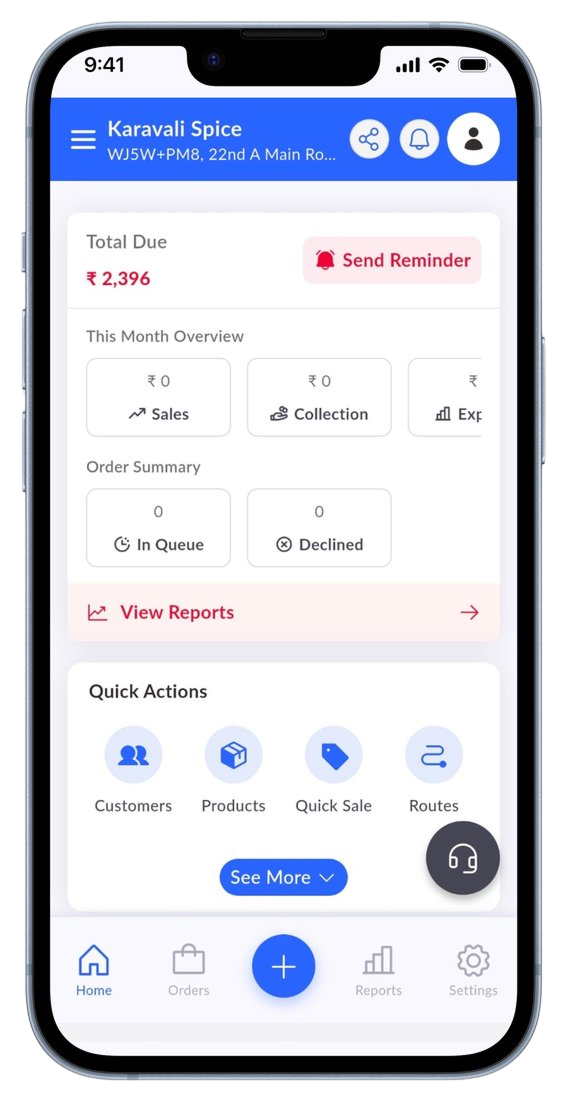
Zopnote helps businesses digitize:
- Orders
- Billing
- Collections
- Subscriptions
- Customer communication
- Community operations
All of this is delivered with a zero commission model, ensuring that as you scale, your hard-earned margins stay in your pocket, not the platform’s.
The two categories start from opposite points. An e-commerce platform helps you build a storefront, after which you must spend money finding customers. A local business usually already has regular customers; the gap is serving them digitally, and that is the gap Zopnote fills. Local buying behaviour is also different: it is not driven by catalogs, product discovery, or price comparison. Customers order over phone calls, texts, and visits. And where e-commerce supports cash on delivery at most, local commerce runs on short informal credit as a customer convenience, which Zopnote supports natively.
Typical Zopnote Users
Subscription products & services like
Newspaper Vendors & Milk vendors
Managing few hundreds of newspaper subscribers.
Community Associations organising events
Collecting recurring member fees.
Home Businesses like Home Bakers
Managing repeat customers.
Home Kitchens
Taking recurring orders.
Farm Direct Sellers
Serving local communities.
Primary Goal
Help local businesses run and grow efficiently.
Feature Comparison
Let's compare both platforms side-by-side.
| Feature | Zopnote | Dukaan |
|---|---|---|
| Online Store | ✓ | ✓ |
| Product Catalog | ✓ | ✓ |
| Order Management | ✓ | ✓ |
| Subscription Billing | ✓ | ✗ |
| Recurring Collections | ✓ | ✗ |
| Community Billing | ✓ | ✗ |
| Customer Engagement | ✓ | Limited |
| Payment Tracking | ✓ | Limited |
| Neighborhood Commerce | ✓ | Limited |
| Member Management | ✓ | ✗ |
Customer Ownership: The Biggest Difference
Does your software treat your customers as "users" of a marketplace, or do you truly own the data and the dialogue?
Dukaan's Approach
Dukaan focuses on helping businesses create digital storefronts.
Its success is measured by:
- Product discovery
- Online sales
- Store setup
Zopnote's Approach
Zopnote focuses on helping businesses build long-term customer relationships.
Its success is measured by:
- Customer retention
- Collection efficiency
- Repeat orders
- Subscription management
Why This Matters
For many local businesses, growth doesn't come from finding new customers every day.
It comes from serving existing customers better.
Examples:
- Newspaper subscribers
- Apartment residents
- Club members
- Weekly farm produce buyers
- Repeat bakery customers
These businesses don’t need a discovery engine to find new strangers every day; they need tools to reward and retain the neighbors they already serve. In other words, better customer management and retention tools.
Subscription Businesses: Clear Winner
Subscription businesses are one of the fastest-growing segments of local commerce.
Examples include:
- Newspaper delivery
- Milk delivery
- Apartment maintenance
- Clubs
- Associations
- Monthly produce boxes
What Subscription Businesses Need
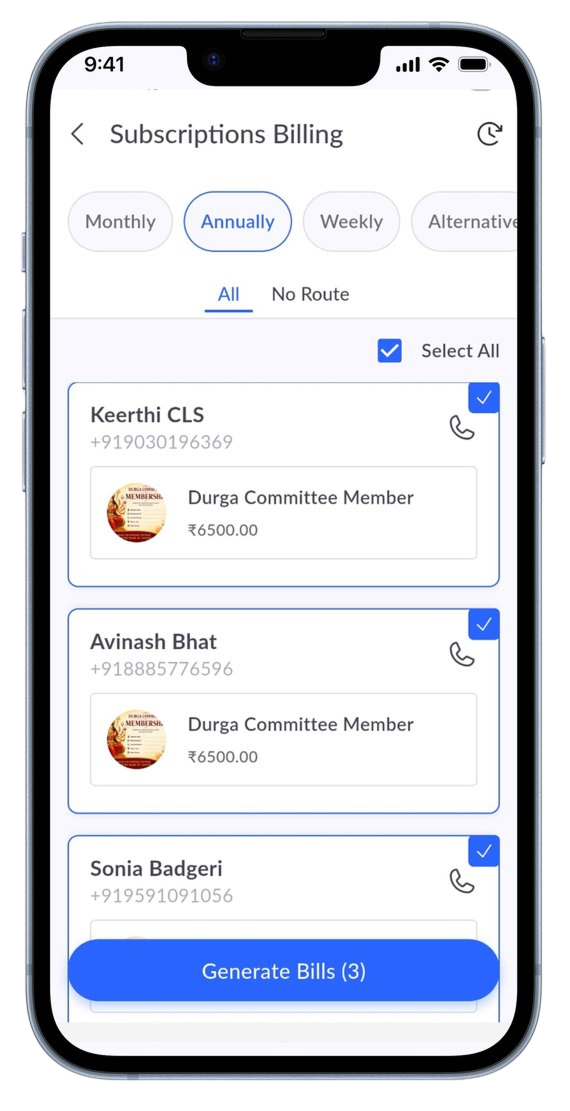
✓ Automated billing cycles
✓ Automated payment reminders
✓ Billing tailored for delivery schedules
✓ Customer management
✓ Reporting
Dukaan
Dukaan is not designed around subscription workflows.
Businesses may need additional tools.
Zopnote
Subscription workflows are a core part of the platform.
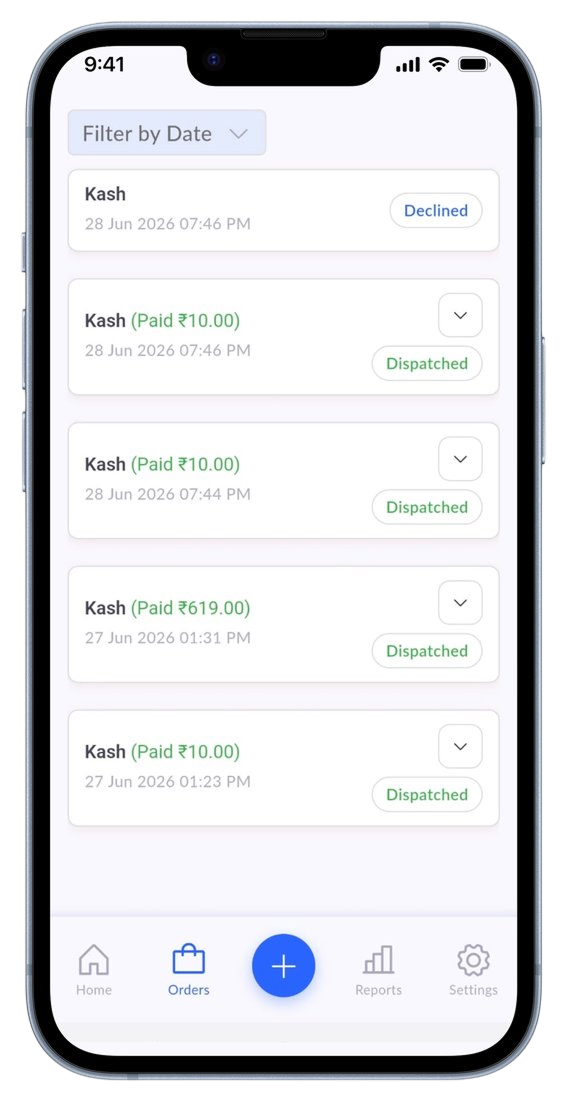
Businesses can manage:
- Subscribers
- Bills
- Payments
- Dues
- Reports
from one dashboard.
Winner: Zopnote
Community Businesses: Clear Winner
One of the largest underserved segments in India is community commerce.
Examples include:
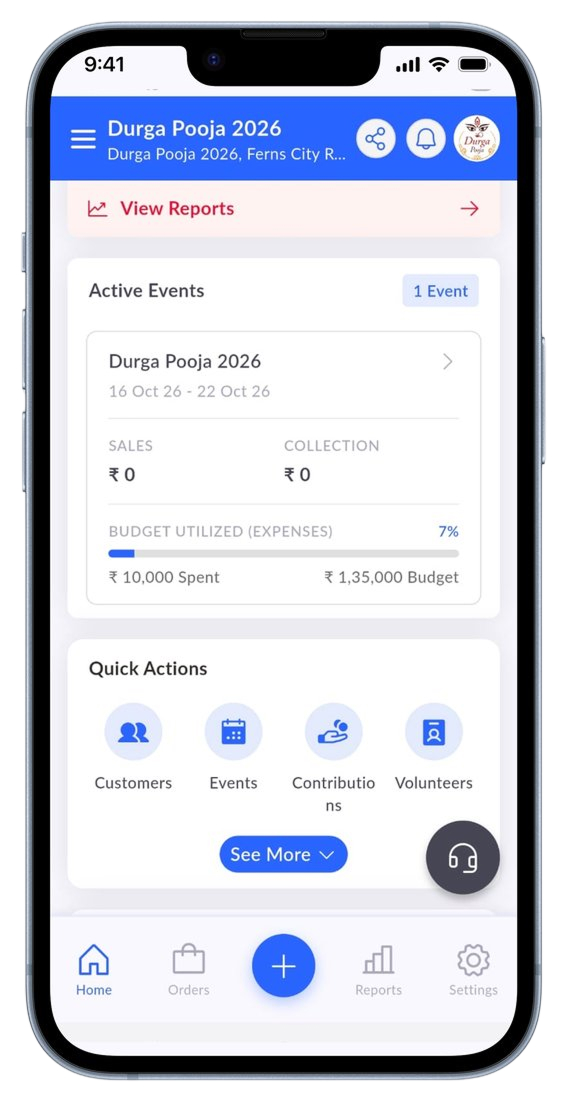
Communities organizing events, which involved subscription billing, collection, collecting contributions, communications and managing event budget and expenses
Examples
- Apartment Associations
- Clubs
- Welfare Societies
These organizations require:
- Member management
- Fee collection
- Budget and expense management
- Contribution Collection, automated receipts
- Volunteer driven engagement
- Reporting
- Communication
Dukaan
Not built for community workflows.
Zopnote
Supports recurring collections and member-centric operations.
Winner: Zopnote
Home Bakers & Home Kitchens
This is where things become more nuanced.
Both platforms can work.
If Your Goal Is:
Create an Online Store Quickly
Winner: Dukaan
Manage Repeat Customers
Winner: Zopnote
Collect Recurring Orders
Winner: Zopnote
Build Customer Loyalty
Winner: Zopnote
Because Zopnote supports mini CRM tool for customers to raise issues, feedbacks etc.
Launch Quickly
Winner: Dukaan
The Real Cost of Growth
Most software comparisons focus on features.
Beyond the monthly subscription fee, local businesses must weigh the cost of manual errors. For example, Manual billing, and reconciling UPI screenshots against actual bills, is error prone, leads to revenue leakage. Missed subscription addition also leads missed revenue and not comparing delivery with indent, leads wasted revenue.
- Time
- Operational efficiency
- Customer retention
- Payment collection, auto reconciliation and automated receipts
The cheapest software isn't always the most profitable software.
A business losing 5% revenue through missed collections may benefit more from automation than from saving a few hundred rupees per month on software.
Now let's explore the biggest question most local businesses ask:
Which platform will help me make more money over the long term?
Pricing Philosophy: The Difference Most Comparisons Miss
Most comparisons stop at the price tag. But any experienced merchant would tell you that the real value lies in how a platform affects your bottom line. Is it helping you streamline operations and boost retention? If it’s not giving you back your time, it’s expensive, regardless of the cost.
The Marketplace Problem
Many local businesses jump online because they want more visibility and easier payments. However, they quickly hit a snag: marketplaces often control the customer relationship, communication, and even pricing. If you're operating on thin margins, those platform commissions can really eat into your profits.
Zopnote's Philosophy
Zopnote follows a different approach.
Highlight Zero commission model
Instead of:
Charging merchants for customer access
it focuses on:
Providing technology that helps merchants manage and grow existing customer relationships.
The philosophy is simple:
Your Business
You own your business.
Your Customers
You own your customer relationships.
Your Profits
You retain your margins.
What Is Local Commerce-as-a-Service?
Most software categories today fall into one of two groups:
Marketplaces
Examples:
- Platforms that connect buyers and sellers.
Business Software
Examples:
- Accounting tools
- Billing tools
- CRM platforms
Zopnote sits in a different category:
Local Commerce-as-a-Service
LCaaS is a model designed specifically for neighborhood ecosystems. Unlike global e-commerce, which prioritizes logistics and scale, LCaaS prioritizes the frequency of interaction and the trust inherent in local trade.
Instead of helping businesses compete nationally,
it helps them serve their existing communities better.
Why This Matters
A newspaper vendor doesn't need customers from another city.
A resident welfare association doesn't need national visibility.
A farm seller delivering within a 5 km radius doesn't need global reach.
These businesses need:
- Better operations
- Better collections
- Better customer relationships
Home Bakers: Zopnote vs Dukaan
Let's look at a real-world example.
Scenario
Priya runs a home bakery.
She receives orders through:
- Referrals
- Over phone calls
- Direct pickup
She has:
- 150 repeat customers
- Festival demand spikes
- Weekly pre-orders
What Priya Needs
✓ Order management
Delivery updates
✓ Customer records
✓ Repeat customer tracking
✓ Payment collection
✓ Promotions
If Priya Chooses Dukaan
Benefits:
- Quick storefront
- Product display
- Online ordering
Challenges:
- Limited subscription workflows
- Customer relationship management may require additional tools
If Priya Chooses Zopnote
Benefits:
- Customer management
- Order tracking
- Payment visibility
- Automated reminders
- Promotions
- Repeat order workflows
Recommended Platform
For businesses focused on repeat customers:
Winner: Zopnote
Farm Direct Sellers: Zopnote vs Dukaan
The rise of farm-to-home commerce has created new opportunities.
Customers increasingly prefer:
- Fresh produce
- Quality over price
- Direct sourcing
- Community-supported agriculture
Challenges for Farm Sellers
- Seasonal inventory
- Delivery planning
- Managing Pre-orders
- Managing supply
- Collection post delivery
- Repeat orders
- Customer communication
Dukaan
Useful for displaying products online.
Zopnote
Designed to support recurring local commerce.
Useful for:
- Weekly order cycles
- Area-wise delivery management
- Customer engagement
Recommended Platform
Winner: Zopnote
Newspaper Vendors: Zopnote vs Dukaan
This one is a great example of the difference.
Typical Newspaper Vendor
- 300–800 subscribers
- Managing indents
- Managing subscription changes for accurate billing
- Recurring billing
- Monthly collections
- Outstanding dues
What They Need
✓ Subscriber management
✓ Monthly billing
✓ Collection reports
✓ Payment bulk reminders
Payment reconciliation
Handle customer delivery issues
Dukaan
Not designed for subscriber workflows.
Zopnote
Built for recurring customer management.
Recommended Platform
Winner: Zopnote
Community Businesses: Zopnote vs Dukaan
This segment includes:
- Apartment Associations
- Clubs
- Resident Groups
Key Requirements
✓ Member management
✓ Fee collection
✓ Reporting
✓ Communication
Dukaan
Not designed for association workflows.
Zopnote
Supports recurring member billing and collections.
Recommended Platform
Winner: Zopnote
Which Businesses Should Choose Dukaan?
Dukaan is an excellent choice if:
You Need
- A quick online store
- Product catalog management
- Basic online selling
And You Don't Need
- Subscription order billing
- Community management
- Recurring collections
Which Businesses Should Choose Zopnote?
Zopnote is an excellent choice if:
You Have
- Repeat customers
- Recurring payments
- Local delivery operations
- Community-based business models
Examples
- Newspaper Vendors
- Associations
- Home Bakers
- Home Kitchens
- Farm Direct Sellers
Frequently Asked Questions
Is Zopnote a Marketplace?
No.
Zopnote is a Local Commerce-as-a-Service platform that helps businesses manage customers, billing, collections, and operations.
Is Dukaan a Marketplace?
No.
Dukaan primarily helps businesses create online storefronts.
Which Platform Is Better for Newspaper Vendors?
Zopnote is better suited because of its subscription billing and collection management capabilities.
Which Platform Is Better for Apartment Associations?
Zopnote offers workflows designed for recurring collections and member management.
Can Home Bakers Use Both Platforms?
Yes.
Some businesses may use Dukaan for storefronts and Zopnote for customer management and recurring operations.
Which Platform Is Better for Repeat Customers?
Zopnote.
Its focus on customer retention and recurring business operations makes it more suitable.
Which Platform Is Better for Subscription Businesses?
Zopnote.
Subscription billing is one of its core strengths.
Does Zopnote Charge Commission?
No.
Its philosophy is centered around helping businesses retain margins while paying for technology rather than customer access.
What Is Customer Ownership?
Customer ownership means merchants maintain direct relationships with their customers rather than depending on third-party platforms.
Why Is Customer Ownership Important?
It improves:
- Retention
- Repeat sales
- Profitability
- Brand loyalty
Final Verdict
Both Zopnote and Dukaan bring a lot to the table, and neither is a bad product. They simply answer different questions. Dukaan answers "how do I get an online store?" Zopnote answers "how do I run my complete local business operations?"
The right choice depends on your business model.
Choose Dukaan If:
You want to:
- Launch a simple online store
- Display products online
- Start selling quickly
Choose Zopnote If:
You want to:
- Manage recurring customers
- Automate subscriptions
- Improve collections
- Engage customers
- Grow a neighborhood business
For local businesses built around trust, repeat purchases, subscriptions, and community relationships, Zopnote offers a more specialized solution.
Its focus on:
- Local Commerce-as-a-Service
- Zero Commission
- Customer Ownership
- Recurring Revenue Operations
makes it particularly well-suited for:
- Newspaper Vendors
- Community Businesses
- Home Bakers
- Home Kitchens
- Farm Direct Sellers
Ready to Grow Your Local Business?
Stop managing customers through notebooks, spreadsheets, and scattered WhatsApp messages. Manage orders, automate billing, improve collections, and own your customers with Zopnote.
Book a Free Demo Try Zopnote With Your First 100 Customers