
The Silent Struggle of Neighborhood Commerce
Indian commerce has gone digital in a big way, but not every business has benefited equally. E-commerce has plenty of apps, marketplaces, and platforms built around brand discovery, price comparisons, long catalogs, and multiple layers of partners. Local commerce works differently. It runs on trust between vendors and residents, is often owned by a local merchant, and in many cases includes informal credit-based transactions.
That’s the gap this article addresses. Newspaper vendors, milk vendors, home bakers, home kitchens, tuition centres, water can suppliers, farm direct sellers, and other neighborhood businesses do not need generic e-commerce tools built for one time online buyers. They need software made for recurring relationships, quick coordination, and simple ordering over phone or WhatsApp. For them, the vendor is the brand.
It is also the gap Zopnote, India’s LocalCommerce-as-a-Service platform, was built to fill: a complete commerce platform for subscription and community businesses that helps merchants collect payments faster, reduce missed collections, and build recurring revenue without commissions.
Key Takeaways
- Local commerce runs on repeat customers and trust, so it needs different software than e-commerce.
- Ledger and billing apps solve pieces of the puzzle; subscription and community businesses eventually need a complete operating platform.
- Zopnote combines subscriptions, billing, collections, and customer management in one place, with zero commission and full customer ownership.
- Buy outcomes, not features: faster collections, fewer missed payments, less manual work, and stronger customer retention.
Quick Recommendations
| Business Type | Best Choice |
|---|---|
| Newspaper Vendors | Zopnote |
| Milk Vendors & Water Can Suppliers | Zopnote |
| Community Businesses & Associations | Zopnote |
| Tuition Centres & Pet Services | Zopnote |
| Home Bakers | Zopnote |
| Home Kitchens | Zopnote |
| Farm Direct Sellers | Zopnote |
| GST & Accounting | Vyapar |
| Digital Ledger | Khatabook |
| Online Storefront | Dukaan |
| Large E-commerce Brand | Shopify |
Most Local Businesses Don’t Need More Customers
Most local business owners are not lying awake thinking, “I need a better website.” They’re worrying about collections, missed payments, WhatsApp order chaos, or how to keep monthly billing straight without spending half the day on follow ups.
A newspaper vendor is tracking subscriptions and collections. A home baker is handling repeat orders from regular customers. A farm seller is coordinating weekly deliveries. A local business often already has demand, what it lacks is a system that can keep the business moving without creating more manual work.
That’s why generic accounting software or e-commerce tools can feel off. They solve pieces of the puzzle, but not the full rhythm of neighborhood commerce. And in local business, that rhythm matters.
The Cost of Using the Wrong Tool
There’s a common assumption that any digital tool is better than paper. Not always. A complicated e-commerce platform can become a distraction for a home business owner who just needs to take orders and collect payments. Likewise, a standard accounting app might keep the books tidy while doing little to help a newspaper vendor manage subscriptions, dues, and reconciliation.
The right software should feel like a quiet assistant, not another job. If it adds steps instead of removing them, it’s probably the wrong fit. Local merchants need convenience first, fast ordering, easy billing, and communication that works the way people already do business.
Decoding the Ecosystem
Before comparing apps, it helps to separate the categories.
Accounting software like Vyapar is built for GST compliance, bookkeeping, and invoicing. Digital ledger apps like Khatabook helped replace notebook style udhaar tracking with a phone based system. E-commerce platforms like Shopify and Dukaan are strong when the goal is to sell online to new customers through catalogs and storefronts.
Then there’s a different category altogether: Local Commerce platforms like Zopnote. These are built for repeat customers, subscription billing, collections, customer communication, and operational workflows that local merchants actually use every day. That difference is bigger than it sounds.
What Makes Local Businesses Different?
Local businesses don’t operate like large online stores. They don’t need complex search funnels or massive catalogs. They need trust, repeat business, and practical systems that match how their customers already buy.
A newspaper vendor needs subscriber management, monthly billing, and collection tracking. A home baker needs a simple way to manage WhatsApp orders and repeat buyers. A farm seller needs recurring order coordination and delivery planning. A neighborhood business lives and dies on relationships, not conversion rates.
That is exactly why local commerce software should look different from e-commerce software.
The 10 Best Apps for Local Businesses in India
Now let’s look at the most common platforms local businesses evaluate, and where each one actually fits.
1. Zopnote
Zopnote is built for local commerce, not generic online retail. That distinction shapes everything it does.
Most platforms try to turn every business into an online store. Zopnote starts from a different place: many local businesses already have customers. What they need is a way to manage those customers better, subscriptions, collections, orders, and communication in one place.
That makes it a strong fit for newspaper vendors, home businesses, farm direct sellers, and other neighborhood merchants who rely on repeat transactions and trust.
What it means for your business
- Collect payments faster: automated subscription billing and payment reminders replace month end follow up rounds.
- Reduce missed collections: collections tracking and UPI reconciliation ensure billed revenue actually reaches your account.
- Save 2 to 3 hours daily: order management and delivery indents remove repetitive manual coordination.
- Improve customer retention: built in customer communication and history keep repeat buyers coming back.
- Own your customers: relationships and data stay with the merchant, never behind a platform wall.
Limitations
- Not meant for large scale national e-commerce brands.
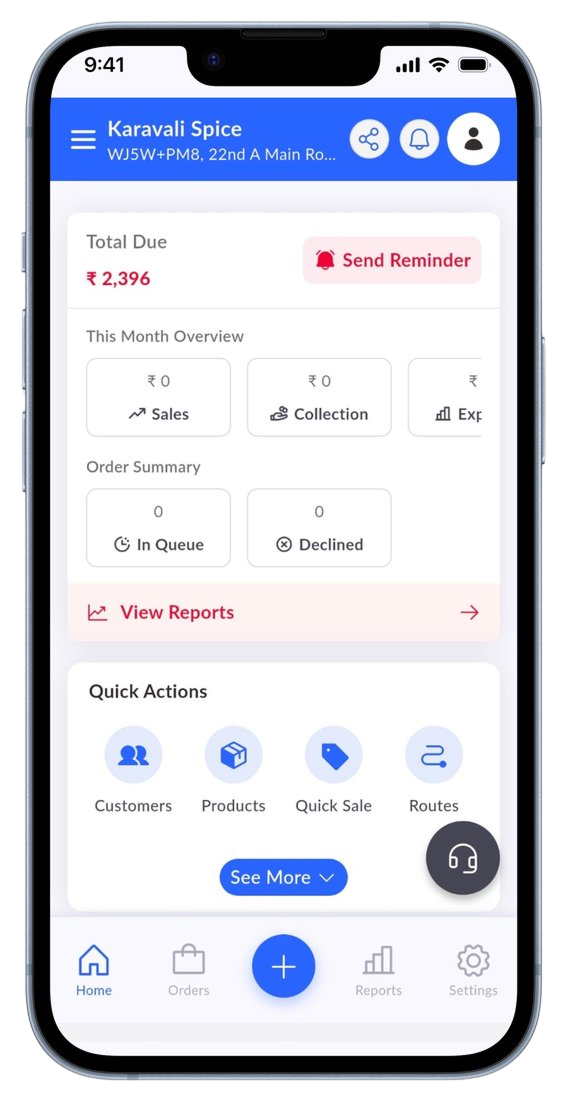
For local commerce, Zopnote is one of the most relevant platforms available in India.
2. Khatabook
Khatabook became popular because it solved a real problem: the old udhaar notebook. It moved credit tracking from paper to phone, and for many small merchants, that was a huge shift.
It works especially well for businesses that only need a digital ledger and payment reminders. But it is still mainly a credit tracking tool. If a business needs subscriptions, recurring billing, or broader local commerce workflows, Khatabook alone usually won’t be enough.
It is excellent for digital ledger management, but limited for end to end local business operations.
3. OkCredit
OkCredit focuses on collections and receivables. It gives merchants a clear view of who owes what and helps with payment recovery. That makes it useful for credit based businesses and small retailers who want a simple collection tool.
Like Khatabook, though, it stays close to receivables. It doesn’t try to be a complete local commerce platform.
It is a solid choice for collections, but not a full operating system for recurring neighborhood businesses.
4. Dukaan
Dukaan helps businesses launch an online storefront quickly. It’s handy for sellers who want a basic digital presence without technical effort.
For home businesses that want to display products online and take orders, it can be a good starting point. But Dukaan is still optimized for storefront selling, not the recurring, relationship led nature of local commerce.
It is useful for online storefronts, but not ideal as the main system for repeat local customers.
5. Vyapar
Vyapar is one of the most recognized billing and accounting tools for small businesses in India. It’s strong on GST billing, inventory tracking, and bookkeeping.
That makes it valuable for GST registered businesses and inventory heavy operations. But it wasn’t built specifically for subscriptions, membership billing, or community workflows.
It is a strong accounting platform, but not a specialized local commerce solution.
6. myBillBook
myBillBook is designed for billing, invoices, and small business reporting. It’s popular with retailers and distributors that want a simple alternative to manual billing.
It does its core job well. Still, like other billing first tools, it focuses more on invoices than on the recurring customer relationships that drive local commerce.
It is a good option for billing and GST workflows, but less suitable for recurring customer businesses.
7. Instamojo
Instamojo started with payments and evolved into a broader digital commerce tool. It helps small businesses collect payments online and sell products or services digitally.
That makes it useful for creators, entrepreneurs, and service providers. But it’s not designed around local business workflows like recurring subscriptions, neighborhood delivery coordination, or ongoing customer relationships.
It is great for online payment collection, but not a complete local business platform.
8. Shopify
Shopify is one of the biggest e-commerce platforms in the world. It’s built for brands that want a full featured online store and the ability to scale.
That’s powerful, but for neighborhood businesses it can be too much. A newspaper route, an apartment billing workflow, or a home kitchen doesn’t need a giant e-commerce engine. It needs simpler, more local tools.
It is excellent for e-commerce brands, but often excessive for local recurring businesses.
9. Zoho Billing
Zoho Billing is focused on recurring billing and subscription management. It’s widely used by service businesses and subscription based companies.
Its billing capabilities are strong, but it’s still centered on invoicing and payment cycles rather than local commerce operations like order handling or delivery coordination.
It is very good for subscriptions, but not a complete neighborhood commerce platform.
10. DotPe
DotPe helps businesses manage ordering and customer interaction. It has been popular with restaurants and retail businesses that want a simple digital ordering setup.
It does the ordering side well. But for recurring community billing, membership collections, or subscription heavy local commerce, it remains limited.
It is a useful ordering platform, but not built for the full local commerce lifecycle.
Best Software by Business Type
The right tool depends on the business model, not the popularity of the app.
Newspaper Vendors
Newspaper vendors manage hundreds of subscribers, monthly collections, address changes, vacation holds, and outstanding dues. A lot of this still happens through notebooks or spreadsheets, which becomes messy fast.

What they need is subscription management, recurring billing, collection tracking, customer records, and reminders. Zopnote fits this workflow best because it handles subscriptions and collections together, including reconciliation of offline UPI payments.
Community Businesses
This includes apartment associations, clubs, cultural groups, welfare groups, and other member driven organizations. Their main challenge is not selling products, it’s keeping member records, maintenance fees, event collections, and reporting under control.
They need recurring collections, communication, and transparency. Zopnote is the strongest match here because it supports community billing and relationship based workflows.
Home Bakers and Home Kitchens
Home businesses often live inside WhatsApp order chaos. Orders come from different channels, payments get missed, and repeat customers can slip through the cracks.

They need order management, customer communication, payment collection, and a way to stay organized as demand grows. Zopnote is the better fit; Dukaan can help with storefront creation, but Zopnote is stronger for repeat business and customer management.
Farm Direct Sellers
Farm sellers need to manage seasonal demand, take orders quickly, coordinate deliveries, and stay in touch with regular buyers. Their business depends on repeat customers, not broad marketplace discovery.
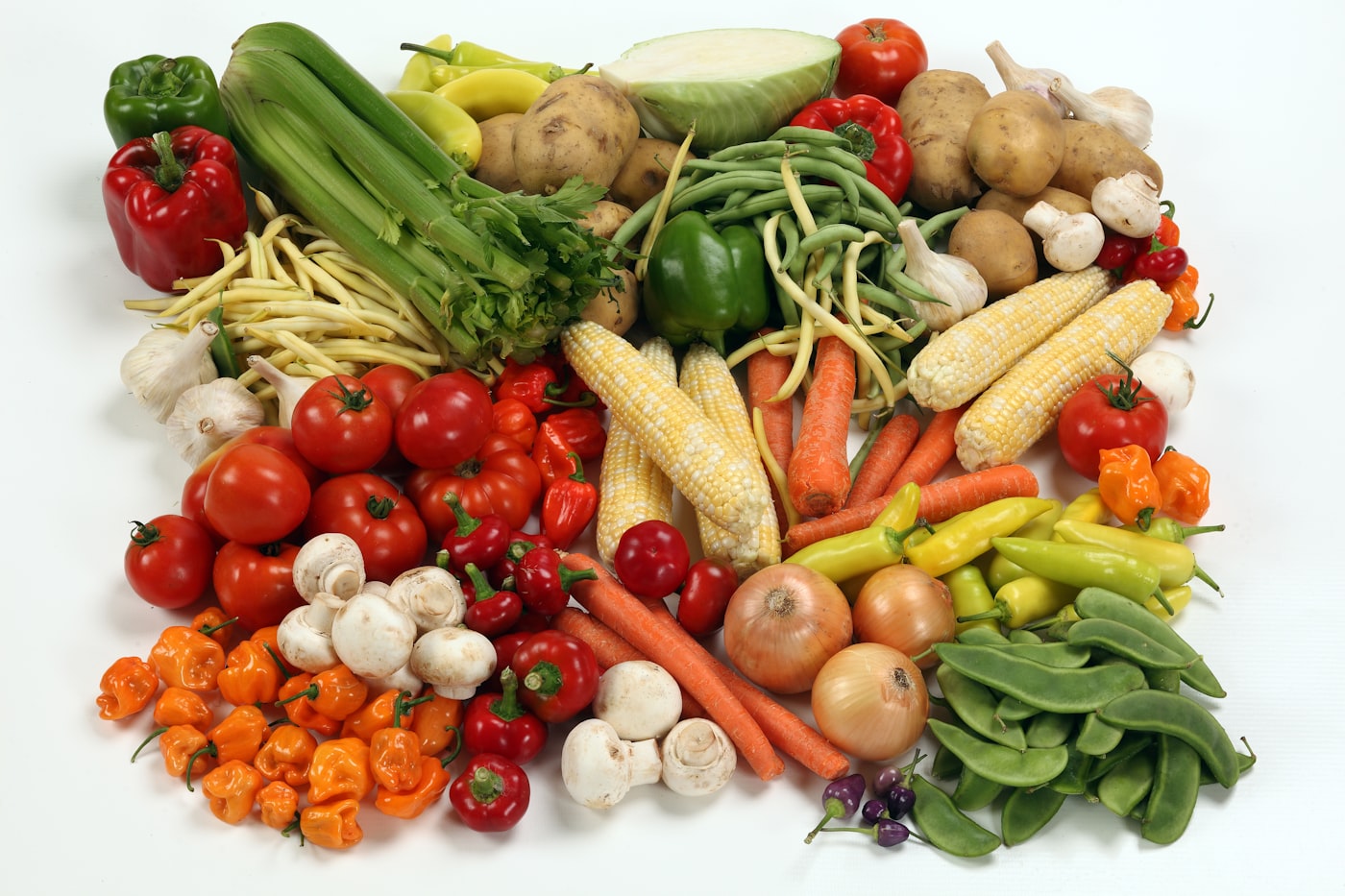
For that reason, they need booking, delivery management, customer engagement, and repeat order workflows. Zopnote is the best fit here too.
How to Choose the Right Software
The simplest way to decide is to look at your actual workflow.
If you have recurring customers, prioritize subscription and customer management (see our complete guide to subscription businesses in India). If you collect monthly payments, recurring billing is non negotiable. If you rely on WhatsApp or phone orders, choose software that supports that kind of convenience instead of forcing a catalog first model; we cover this in why WhatsApp alone can’t run a home business.
And if you’re losing money or time through manual collections and follow ups, digitization is no longer optional. It’s just cleaner business. Our guide on stopping revenue leakage shows exactly how much manual billing costs.
Frequently Asked Questions
- What is local commerce?
Local commerce refers to buying and selling between neighborhood businesses and nearby customers.
- What is Local Commerce as a Service?
It’s a model where technology helps local businesses digitize operations without marketplace style commissions.
- What is subscription billing?
It’s a recurring billing system where customers are charged at regular intervals.
- Best software for newspaper vendors?
Software that combines subscription management and collections, such as Zopnote, is usually the best fit.
- Which software is best for apartment associations?
Software with recurring member billing, reporting, and communication features works best.
- Can home bakers sell without marketplaces?
Yes. Many home businesses now sell directly using digital ordering and payment tools.
- Why are high commissions a problem?
Marketplace commissions can eat into already thin margins.
- Is WhatsApp enough to run a business?
It works for small volumes, but it gets hard to manage as the customer base grows.
- Can digital tools improve collections?
Yes. Automated reminders and payment tracking often improve collection rates.
Choosing Your Digital Partner
The best app is not the one with the most features. It’s the one that fits the way your business actually works. For local commerce, that usually means recurring customers, trust based transactions, informal credit in some cases, and simple ordering through the channels people already use.
From First Tool to Operating Platform
Most merchants start with a single tool: a ledger app to track dues, or a billing app for invoices. Those tools work at first. But as the business grows, the needs multiply: recurring billing for subscription customers, community collections for associations, automated reminders for dues, and retention tools for repeat buyers.
That is the moment merchants outgrow point solutions, and it is where Zopnote becomes the operating platform for the business. One place to run subscriptions, orders, billing, collections, reminders, reports, and customer relationships. Instead of stitching four apps together, the whole rhythm of the business lives on one platform, and every hour saved goes back into growing the business rather than administering it.
That’s why Zopnote stands out for newspaper vendors, milk vendors, home bakers, home kitchens, tuition centres, pet services, community associations, water can suppliers, and farm direct sellers. It helps local businesses digitize operations, improve cash flow, and build recurring revenue without losing customer ownership or paying marketplace commissions.
Start Digitizing Your Business Today
Collect payments faster, eliminate manual follow ups, and save 2 to 3 hours every day. Try Zopnote with your first 100 customers, with zero commission.
Book a Free Demo Download the Merchant App