
The Modern Guide to Community Collections, Donations & Fund Management in India
Introduction
Every Indian community has that one reliable volunteer the person who somehow becomes the default treasurer for the entire group. Whether it is the secretary of a resident welfare association, the cultural committee treasurer, or the neighbor organizing Ganesh Chaturthi, they often start with a simple intent: "I will take care of it."
But what begins as a simple community service often spirals into a complex administrative burden. Managing funds for community events requires centralized transparent accounting, volunteer driven contribution drives, and robust budget and expense management to ensure every rupee is accounted for. Zopnote, India’s LocalCommerce-as-a-Service platform, fills this gap perfectly, offering the tools needed to manage these complex community finances without the headache of manual tracking.
Key Takeaways
- Community collections fail on information, not honesty: most disputes start because contributors can't see where money went.
- Transparency, digital receipts, and real time reporting build the donor trust that keeps participation high.
- Volunteers burn out doing reconciliation; infrastructure, not more effort, is the fix.
- Zopnote gives apartment associations, temple committees, sports clubs, and festival organisers one transparent system for collections, expenses, and reporting.
Who This Guide Is For
Community fund management looks different in every neighborhood, but the challenges rhyme. This guide is written for apartment and resident welfare associations collecting maintenance and event funds, temple committees managing offerings and festival budgets, sports clubs running leagues and tournament registrations, cultural groups staging annual programmes, and festival committees organising Ganesh Chaturthi, Durga Puja, Onam, or Diwali celebrations at scale.
If you collect money from many people for a shared purpose, and you answer "did you get my payment?" more than once a week, this guide is for you.
The Hidden Economy Inside Every Community
When we discuss commerce, we often think of massive online marketplaces or global brands. Yet, there is a vibrant, distinct form of exchange happening every day: Community Commerce. Money moves constantly within our local neighborhoods—not for profit, but for participation.
What is community fund management? It is the structured process of collecting, tracking, and allocating funds for shared community initiatives, from festival celebrations and sports tournaments to emergency welfare support.
Why does this matter? Because community collections are the lifeblood of local social infrastructure. When these funds are managed with transparency, communities thrive. When they are mired in manual, opaque processes, participation drops.

The Biggest Challenges of Manual Community Collections
Technology has revolutionized how we order groceries and manage investments, yet many associations still rely on outdated manual methods for Community Fund Management. The typical process looks like this: A WhatsApp group is created, bank details are shared, residents send screenshots, and a treasurer manually reconciles the data in an Excel sheet.
It works—until the community reaches a certain scale. When participation grows, the manual effort required to verify transactions and answer member queries becomes unsustainable. This isn't a problem of willingness to pay; it’s an Order Management and Billing Software problem disguised as a social one.
The Problem Isn't Collection
Transparency in community funds creates the bedrock of trust. When contributors can easily access digital receipts, payment history, and fund status, they feel more invested in the outcome.
The strongest communities aren't necessarily the ones with the largest budgets; they are the ones with the highest levels of trust. And trust depends entirely on visibility. By adopting digital tools, community leaders can transition from manual record-keepers to transparent, efficient community stewards.
Why Transparency Matters More Than Money
Most people don't mind contributing to a good cause.
What they dislike is uncertainty.
They want answers to simple questions:
How much money has been collected?
Where is it being used?
Who has contributed?
What is the current status?
Was my contribution received?
Can I get a receipt?
Transparency creates confidence.
Confidence encourages participation.
Participation strengthens communities.
The strongest communities aren't necessarily the ones with the largest budgets.
They're the ones with the highest levels of trust.
And trust depends on visibility.
Think of it as donor trust. Whether the contributor is a resident paying maintenance, a devotee donating to a temple renovation, or a parent sponsoring a sports tournament, the moment they can see collections, expenses, and balances for themselves, they give more willingly and more often. Reporting is not paperwork; it is the engine of the next collection drive.
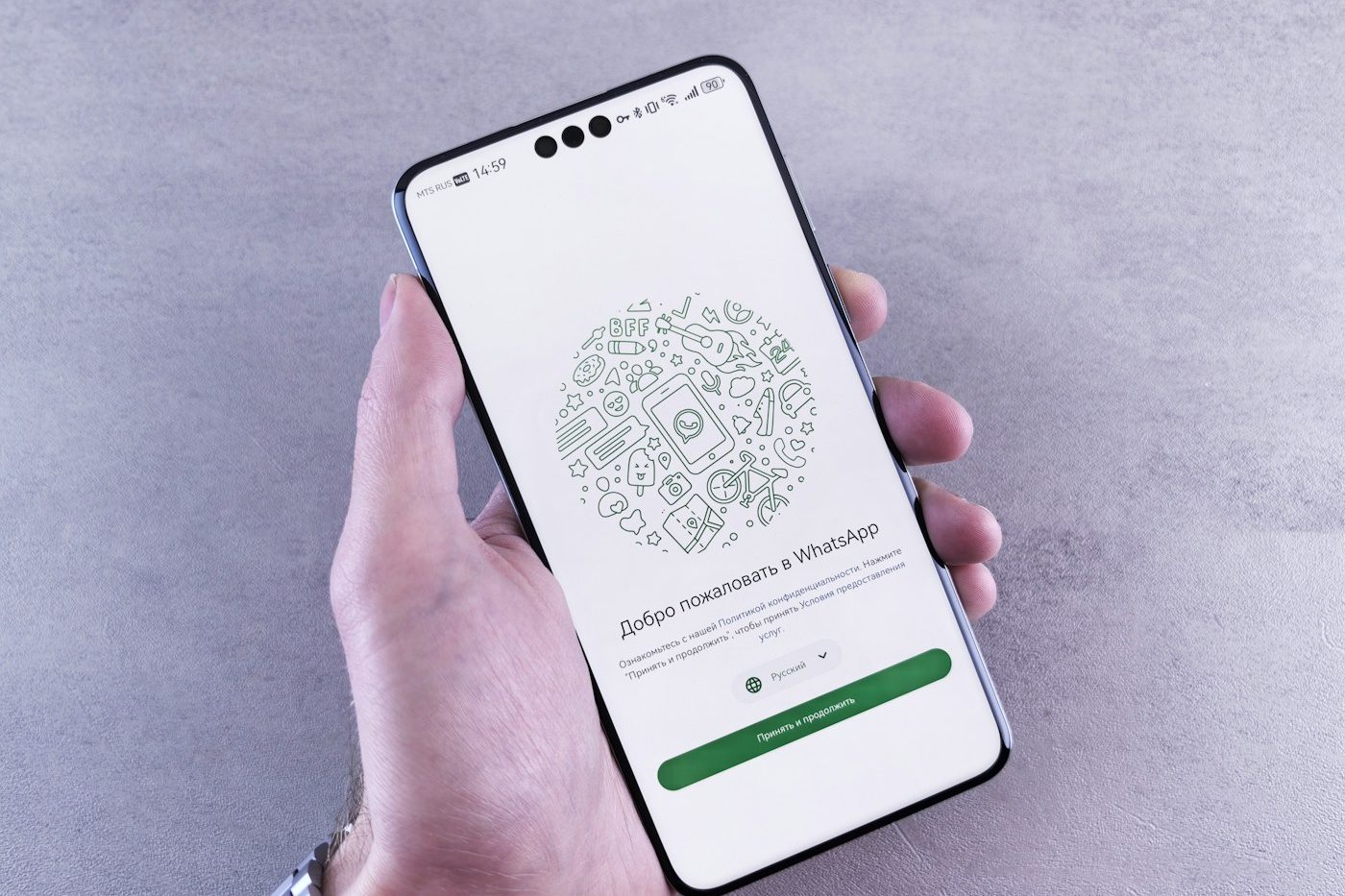
Why WhatsApp Alone Can't Manage Society Payments
WhatsApp is an incredible tool for communication, and every active community should keep using it for conversations. But it was never designed to be an automated payment tracking solution. When collections depend on chat threads, records become fragmented, information gets lost, and new committee members inherit an administrative mess. The community becomes dangerously dependent on the memory and availability of individuals rather than a robust, scalable system. (We explore this in depth in why WhatsApp alone can't run a growing business.)
Why Community Organizers End Up Doing Administrative Work
Most volunteers join community initiatives because they want to contribute.
They want to:
Organize events.
Bring residents together.
Improve neighborhoods.
Support causes.
Build stronger communities.
Yet much of their time ends up being spent on administration.
Following up on payments.
Updating spreadsheets.
Reconciling transactions.
Answering questions.
Generating reports.
Instead of focusing on community building, they become accidental accountants.
This is not the best use of community energy.
The Rise of Digital Communities
We are witnessing a shift across India. Communities are becoming more organized, more ambitious, and more digitally native. Whether it is a Farm Direct seller delivering fresh produce to an apartment complex or a committee organizing a large-scale event, residents now expect the same seamless experience they get from professional Subscription Management services.
They expect:
- Instant confirmation.
- Digital receipts.
- Real-time visibility.
The future of Proximity Commerce is not less digital; it is more integrated.
Communities Are Becoming Economic Ecosystems
This shift extends beyond simple donations. Communities are evolving into self-sustaining economic ecosystems. Residents buy from neighbors, local businesses serve apartment communities, and funds circulate locally. Local Commerce-as-a-Service is the infrastructure that makes this possible.
From Festival Donations to Welfare Funds: The New Rules of Community Collections
Every community initiative—from cricket tournaments to Community Fund Management—starts with excitement and often ends in a scramble to reconcile payments.
How should communities manage this? By moving away from manual "Chanda" collection and toward a centralized, digitized system that ensures Zero Commission processing and absolute Customer Ownership.
Community Collections Have Evolved Beyond "Chanda"
For generations, community collections in India were built on relationships.
Someone from the committee would go door to door.
Volunteers would maintain notebooks.
Cash would be collected.
Expenses would be tracked manually.
The system relied on trust.
And for many years, it worked.
But today's communities operate differently.
People live in different cities.
Residents travel frequently.
Contributors may not even be physically present when collections happen.
Payments happen digitally.
Expectations are higher.
Participation is broader.
As a result, community collections are no longer just about collecting money. They're about managing information.
The Many Types of Community Funds
One of the biggest misconceptions is that communities collect money for only one purpose.
In reality, communities manage a surprisingly diverse range of contributions.
Festival Celebrations
- Festival Celebrations: From Ganesh Chaturthi to Diwali, managing these funds involves hundreds of contributors and multiple expense categories.
- Community Welfare: Funds for medical emergencies or resident support require high levels of sensitivity and Customer Management.
- Sports & Recreation: Leagues and tournaments that require Recurring Billing or registration management.
Community Welfare Funds
Many communities maintain emergency support funds.
These may be used for:
- Medical emergencies
- Resident support initiatives
- Community assistance programs
- Welfare activities
Trust becomes especially important in these situations because contributions are often emotional rather than transactional.
Religious Contributions
Temples.
Prayer groups.
Community religious events.
Spiritual gatherings.
These activities frequently depend on voluntary contributions from members.
Contributors increasingly expect transparency regarding how funds are utilized.
Sports & Recreational Events
Cricket tournaments.
Sports leagues.
Community competitions.
Children's activities.
Weekend events.
These initiatives often involve multiple rounds of collections, registrations, sponsorships, and expenses.
Without proper tracking, confusion becomes inevitable.
Improvement Projects
Communities frequently raise funds for:
- Common area upgrades
- Beautification projects
- Community infrastructure
- Special initiatives
Unlike recurring fees, these collections often happen occasionally, making tracking even more important.
Why Contributors Expect More Than a Payment Confirmation
In the past, contributing to a community event was relatively simple.
You handed over cash.
Someone acknowledged it.
The transaction was complete.
Today's contributors expect more.
They want:
- Instant confirmation
- Digital receipts
- Payment history
- Collection updates
- Transparency
This isn't because people are becoming less trusting.
It's because digital experiences have changed expectations.
When every online purchase generates an invoice, receipt, and transaction history, community contributions are expected to follow similar standards.
The Transparency Gap
Most community disputes don't begin because money is missing.
They begin because information is missing.
When contributors cannot easily answer questions such as:
How much has been collected?
What has been spent?
What remains available?
Who contributed?
What was the final outcome?
uncertainty begins to grow.
And uncertainty often gets interpreted as lack of transparency.
Even when everything is managed correctly.
This is why visibility matters so much.
Transparency is not merely about accountability.
It is about maintaining trust at scale.
The Problem With Payment Screenshots
Every community organizer has experienced this.
A contribution drive begins.
Soon the WhatsApp group fills with messages.
"Paid."
"Done."
"Please check."
"Sent ₹500."
"Transferred yesterday."
"Sharing screenshot."
The group becomes a stream of payment confirmations.
Meanwhile, somebody still has to:
- Verify transactions
- Update records
- Reconcile payments
- Follow up on missing contributions
The screenshots create the illusion of organization.
But behind the scenes, manual work continues.
As communities grow, this model becomes increasingly difficult to sustain.
Why Volunteers Burn Out
Administrative work grows faster than community participation. Every event requires reconciliation, reporting, and constant communication. We need to stop treating community leaders like spreadsheets. By adopting Local Business Software, we can return the focus to what actually matters: building stronger, more vibrant communities.
The New Standard for Community Event Management
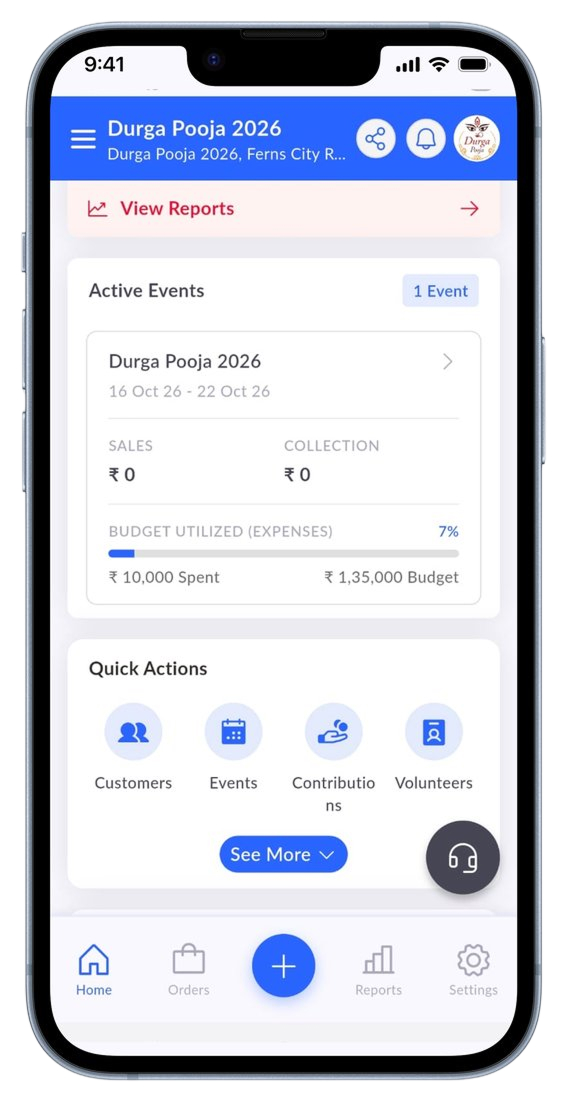
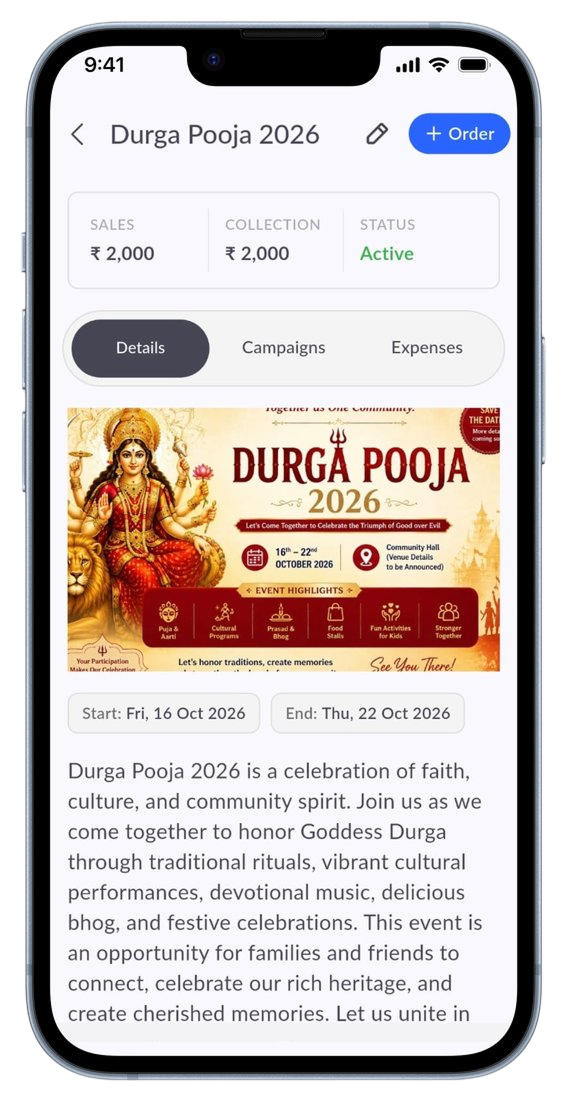
Managing community funds for events is more than just collecting money; it is about accountability. Organizers need a platform that offers:
• Centralized Transparent Accounting: A single source of truth for all collections and payouts.
• Volunteer Driven Contribution Drives: Tools that make it easy for volunteers to rally the community and collect contributions without manual follow ups.
• Budget and Expense Management: Real time tracking of planned versus actual expenses, ensuring events stay within budget and are financially healthy.
Visibility
Contributors should know:
- Their payment status
- Collection progress
- Contribution records
without repeatedly asking organizers.
Trust
The easier it is to verify information, the stronger community trust becomes.
Trust should not depend on individual committee members.
It should be built into the system itself.
Why Communities Need Infrastructure, Not More Volunteers
Many communities try to solve collection challenges by increasing effort.
More reminders.
More follow-ups.
More manual tracking.
But effort does not solve structural problems.
Infrastructure does.
Just as businesses eventually adopt systems to manage operations, communities increasingly need systems to manage contributions.
Not because communities are becoming businesses.
But because participation is becoming more complex.
The goal is not replacing volunteers.
The goal is empowering them.
Community Commerce Is Bigger Than Events
Something larger is happening beneath the surface.
Communities are becoming economic networks.
Residents support local businesses.
Groups organize collective purchases.
Communities fund local initiatives.
Contributions support activities that strengthen neighborhood connections.
This is where community management begins intersecting with local commerce.
The future of proximity commerce will not be built solely by marketplaces.
It will be built by trusted networks of people who already live, interact, and transact together.
Communities sit at the center of that future.
How Zopnote Simplifies Festival & Welfare Fund Tracking
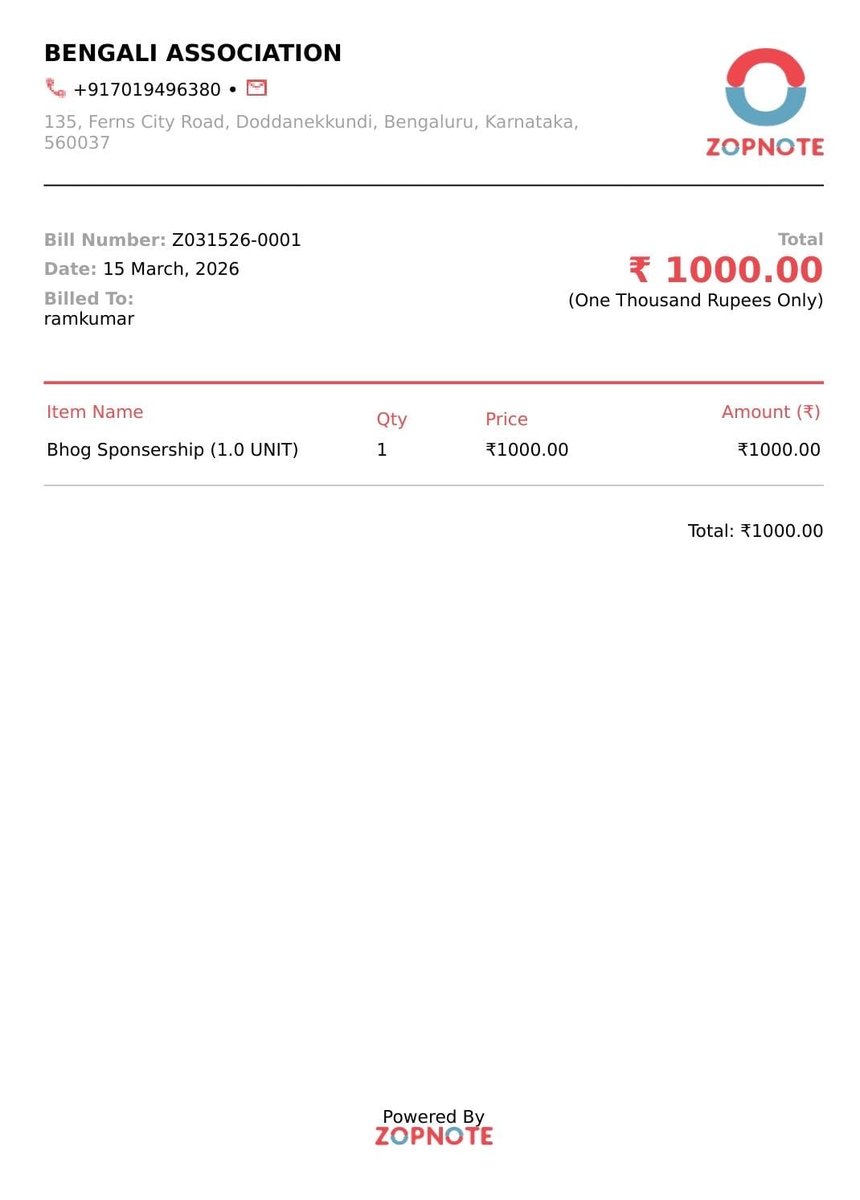
Zopnote approaches Community Commerce by focusing on the ecosystem, not just the transaction. By providing a dedicated platform for Payment Collection and Order Management, Zopnote empowers community organizers to:
- Create professional collection campaigns.
- Share secure payment links.
- Generate automated receipts.
- Maintain Customer Ownership without the overhead of manual tracking.
Frequently Asked Questions
What are community collections?
Community collections are the funds raised by residential or local groups for shared events, festivals, or welfare purposes.
How do communities typically collect funds?
Most communities use WhatsApp groups, bank transfers, UPI payments, spreadsheets, and manual tracking processes.
Why do community collections become difficult to manage?
As the number of contributors grows, manual tracking (like WhatsApp screenshots) leads to reconciliation errors and lack of transparency.
Why are receipts important for community contributions?
Receipts provide confirmation, improve transparency, and help contributors maintain records of their payments.
How can communities improve transparency?
By using digital platforms that provide real-time dashboards, automated receipts, and a single source of truth for all financial transactions.
What is community fund management?
Community fund management refers to the process of collecting, tracking, managing, reporting, and utilizing contributions for community activities.
Why is trust important in community collections?
Trust encourages participation. When contributors have confidence in the process, communities raise funds more effectively and operate more collaboratively.
Final Thoughts
The future of community commerce isn't about collecting more money, it's about creating more trust. Because when you remove the friction of administration, you empower the community to focus on what it does best: living, working, and growing together.
Bring Transparency to Your Next Collection Drive
Collection campaigns, secure payment links, automated receipts, and real time reports for apartment associations, temple committees, clubs, and festival organisers. Zero commission.
Book a Free Demo Start Your First Campaign