
The Hidden Cost of Platform Dependency for Neighborhood Sellers
Marketplaces are brilliant at finding you customers, and terrible at letting you keep them. This article looks honestly at both sides: when marketplaces genuinely make sense for a local business, and when the smarter move is owning your customer relationships directly.
Key Takeaways
- Marketplaces excel at customer acquisition; they are the right tool for discovery and reaching strangers.
- The real cost of marketplace dependency is not commission, it is losing ownership of the customer relationship.
- Repeat customers, not new clicks, are the foundation of local business profitability.
- The winning play: marketplaces for acquisition, Zopnote for customer ownership and retention.
For many small businesses, joining a marketplace platform feels like a breakthrough moment. Whether it's a Home Bakery in a bustling neighborhood receiving a flood of new orders or a Farm Direct seller gaining exposure to thousands of households, the digital acceleration is undeniable. Initially, these platforms act as powerful engines for discovery. Orders arrive, payments are simplified, and the friction of Order Management vanishes.
However, the "marketplace paradox" often emerges once the initial excitement subsides. Many entrepreneurs realize that while they gained reach, they traded away Customer Ownership. In the race to serve customers, they inadvertently let the platform manage the most vital asset of any small business: the relationship itself.
The Marketplace Promise: High Reach, Low Control
Marketplaces solved a fundamental problem in the early days of digital adoption: the discovery gap. Before these platforms, a Home Kitchen was often invisible to its own community. Marketplaces aggregated that demand, creating a bridge between local supply and consumer appetite. This was, and remains, a revolutionary step for Local Commerce.
Yet, relying solely on these platforms creates a precarious dynamic. When your WhatsApp Order Management and Payment Collection are entirely dependent on a third party, your business growth is tethered to their algorithms. For many, this leads to an unintended consequence: you grow your revenue, but you fail to grow your business's independence.
When Marketplaces Make Sense
Let's be fair to marketplaces, because balanced advice builds better businesses. There are moments when a marketplace is exactly the right tool.
- Launching something new: when nobody knows your product exists, marketplace discovery gives you your first hundred customers faster than any other channel.
- Entering a new area: expanding beyond your neighborhood means reaching people who have never heard of you, which is precisely what marketplaces do well.
- Selling occasional, one-time products: if your business genuinely runs on one-off transactions with strangers, marketplace economics can work in your favour.
- Filling spare capacity: incremental orders during slow periods can justify the commission, since the alternative is no order at all.
The mistake is not using marketplaces. The mistake is stopping there: paying acquisition prices forever for customers who would happily order from you directly. Think of it this way: marketplaces are for customer acquisition, and a platform like Zopnote is for customer ownership. The two solve different problems, and the strongest local businesses use both deliberately.
The Customer Ownership Question: Who Owns Your Local Audience?
A business with only customer access can serve a transaction, but a business with ownership can foster a journey. When a customer orders through a marketplace, who actually owns that interaction? Operationally, the platform controls the data, the communication, and the feedback loop. This isn't just about commission fees; it’s about the erosion of Proximity Commerce where the seller knows the buyer.
For a Newspaper Billing service or a neighborhood pantry, this lack of connection is costly. The Subscription Management of their most loyal patrons remains locked behind a platform wall, preventing the kind of Community Commerce that turns a one-time buyer into a lifelong advocate.
Why Neighborhood Retention Is More Valuable Than New Leads
Platform dependency limits your ability to re-engage customers, increases acquisition costs over time, and makes your business vulnerable to sudden changes in platform policy.
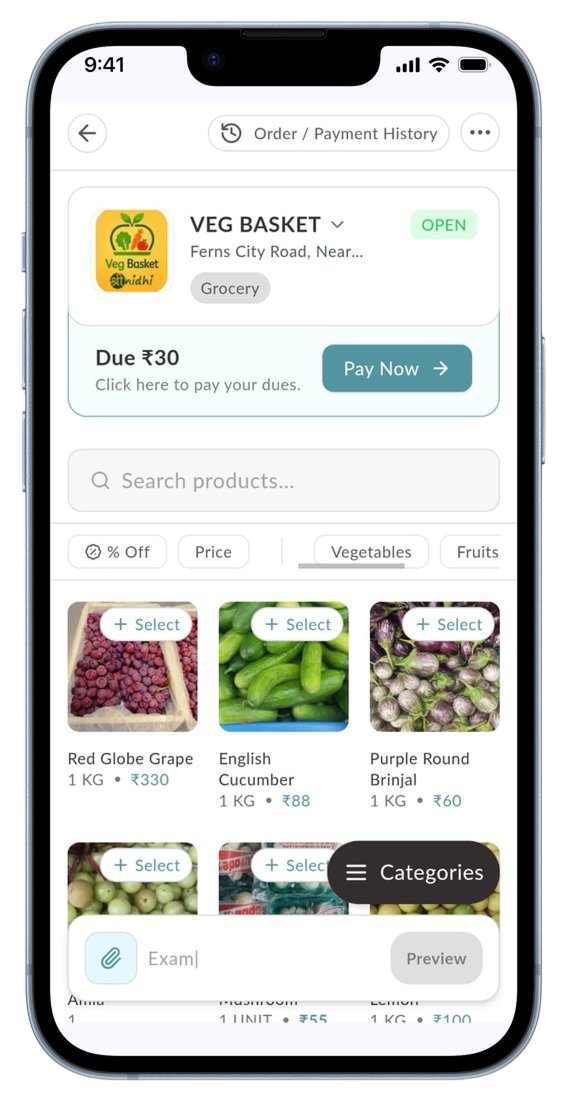
Smart local businesses are now shifting their focus toward Relationship Commerce. They are leveraging Local Business Software to manage their own data, moving away from high-fee reliance toward a model of Zero Commission growth. By treating their digital presence as an owned asset—rather than a rented space—they build a resilient foundation that thrives regardless of platform algorithm shifts.
The Rise of Direct Commerce: Building a Hyper-Local Brand
How do local businesses transition from marketplace reliance to direct models? Start by incentivizing your existing customer base to order through direct channels for exclusive benefits, then gradually shift your billing and order management to a unified platform.
The most successful entrepreneurs we see today are those who use marketplaces strategically for discovery, but rely on their own systems for retention. By utilizing recurring billing and direct customer relationships, they transform their local reputation into a sustainable, digital-first business.
This shift is not about abandoning marketplaces.
It's about reducing dependency on them.
The businesses that thrive over the next decade will likely use marketplaces strategically rather than exclusively.
A New Generation of Local Businesses
Perhaps the most interesting change is happening at the neighborhood level.
Home businesses.
Farm sellers.
Community entrepreneurs.
Independent creators.
These businesses are increasingly discovering that proximity itself is an advantage.
Their customers are nearby.
Their reputation is local.
Their relationships are personal.
Their growth depends less on platform algorithms and more on trust.
This is creating the foundation for a different model of commerce.
One built around relationships rather than reach.
Ownership rather than dependency.
Community rather than aggregation.
The Real Problem Isn't Commission. It's Dependency.
Whenever marketplace discussions happen, the conversation usually revolves around commission.
Business owners complain about fees.
Marketplaces defend their economics.
Customers remain largely unaware of the debate.
But focusing only on commission misses a much bigger issue.
The real question isn't:
"How much commission am I paying?"
The more important question is:
"How dependent is my business on someone else's platform?"
Those are not the same thing.
And understanding the difference may determine which businesses thrive over the next decade.
Customer Access vs Customer Ownership
This distinction sits at the heart of modern commerce.
Let's imagine two businesses.
The first business sells entirely through a marketplace.
The second business sells directly to its customers through its own ordering channel.
Both businesses generate the same revenue.
Both serve the same number of customers.
At first glance, they appear identical.
But beneath the surface, they operate very differently.
The first business has customer access.
The second business has customer ownership.
Access means you can serve customers.
Ownership means you can build relationships with them.
And relationships are where long-term business value is created.
The Dilemma of the Local Business Owner
Consider a home baker.
She starts selling cakes through a marketplace.
The platform helps her acquire customers.
Orders begin arriving.
Reviews improve.
Revenue grows.
Everything seems positive.
Then a strange thing happens.
A customer who has ordered six times still feels like a new customer.
Why?
Because the relationship lives inside the platform.
The baker fulfills the orders.
But the platform owns the interaction.
The customer remembers the marketplace experience.
Not necessarily the baker's brand.
This is one of the least discussed challenges in the platform economy.
Businesses may grow revenue while struggling to build independent customer relationships.
Why Repeat Customers Matter More Than New Clicks
The most valuable customer is rarely the next customer.
It's often the customer you already have.
A repeat customer requires:
- Less marketing
- Less convincing
- Less trust-building
They already know your product.
They already understand your quality.
They already trust your service.
For neighborhood businesses, repeat customers are often the foundation of profitability.
A newspaper vendor survives because subscribers stay.
A home kitchen grows because customers reorder.
A farm seller succeeds because families return every week.
These businesses are not built on discovery.
The Hidden Cost of Marketplace Dependency
Commission is visible.
Dependency is not.
This is why many business owners underestimate its impact.
A platform may charge 20%.
Everyone notices.
But what happens when:
- Visibility changes?
- Search rankings shift?
- Policies change?
- Customer communication becomes restricted?
The effects are harder to measure.
Yet they often have a greater impact than fees themselves.
The business discovers that growth happened on rented land.
And rented land comes with conditions.
Serving Your Community Directly
Let's look at a different example.
Imagine an organic farmer delivering produce to three apartment communities.
Most customers order every week.
Families know the farmer.
The quality is trusted.
Relationships already exist.
Now ask a simple question.
If the customer already trusts the farmer, why should every transaction continue passing through a third-party marketplace?
This question is becoming increasingly common among local businesses.
Not because marketplaces are failing.
But because direct relationships are becoming more valuable.
Why Local Commerce Works Differently
Many technology platforms were designed around discovery.
Find new customers.
Reach larger audiences.
Expand visibility.
Those goals make sense for many businesses.
But local commerce often operates differently.
A neighborhood business may not need customers from across the city.
It may simply need stronger relationships with customers within a five-kilometer radius.
The economics change.
The priorities change.
And eventually the technology requirements change as well.
Shifting From Global Reach to Local Retention
For years, digital commerce focused heavily on reach.
How many people can see your product?
How many visitors arrive at your store?
How many impressions does your brand generate?
Those questions remain important.
But mature businesses eventually ask different questions.
How many customers return?
How often do they reorder?
How long do they stay?
How strong is the relationship?
This is where retention begins replacing acquisition as the primary growth lever.
And retention thrives when businesses own customer relationships directly.
Why Local Trust Beats Marketplace Algorithms
Algorithms are incredibly powerful.
But they are also unpredictable.
Communities work differently.
Trust compounds.
Reputation compounds.
Relationships compound.
A home kitchen that consistently delivers quality meals creates trust.
A farm seller that reliably delivers fresh produce creates trust.
A neighborhood business that solves problems creates trust.
Over time, trust becomes a stronger competitive advantage than visibility.
And trust is difficult for competitors to copy.
The Rise of Relationship Commerce
We are beginning to see the emergence of a different commerce model.
Not marketplace commerce.
Not social commerce.
Relationship commerce.
A model where:
- Businesses know their customers.
- Customers know the business.
- Communication happens directly.
- Transactions become repeatable.
- Loyalty becomes measurable.
This model is particularly powerful for local businesses because proximity strengthens relationships.
People increasingly prefer buying from someone they know rather than someone they discover.
That trend creates opportunities that did not exist a decade ago.
The Future: Marketplaces and Direct Channels, Together
One of the biggest mistakes businesses make is treating this as an either-or decision.
Marketplaces are valuable.
They remain powerful discovery engines.
The question is not whether businesses should use marketplaces.
The question is whether they should depend entirely on them.
The most resilient businesses often use multiple channels.
Marketplaces for discovery.
Direct channels for retention.
Community channels for engagement.
This creates balance.
And balance reduces risk.
Empowering Local Businesses with Zopnote
Zopnote, India’s LocalCommerce-as-a-Service platform, was built around a simple idea.
Local businesses should own their customer relationships.
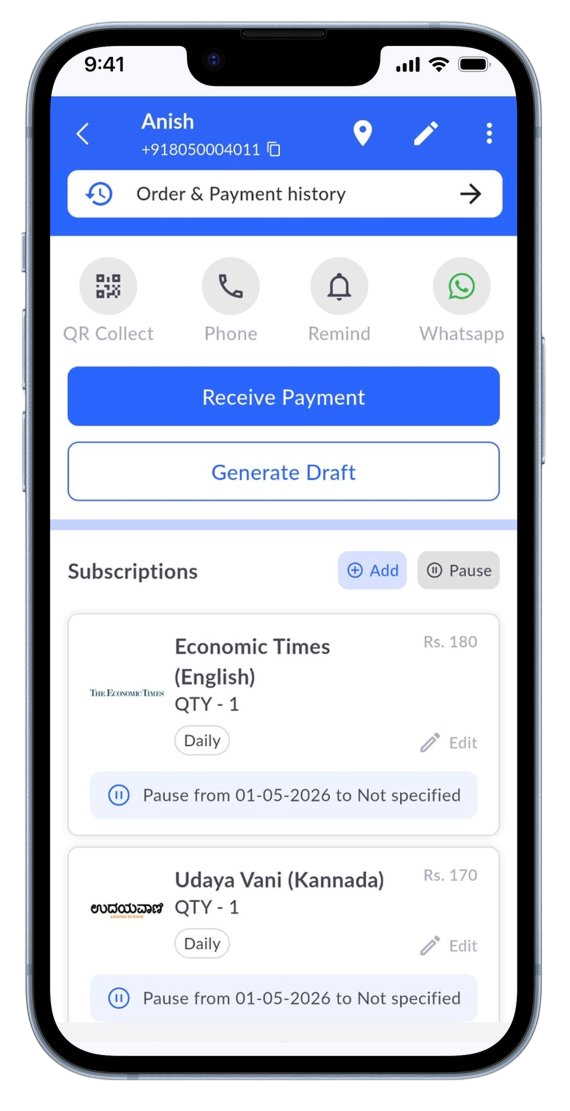
Marketplaces handle customer acquisition. Zopnote handles customer ownership: everything that happens after someone becomes your customer.
Whether it's a home baker, a farm seller, a newspaper vendor, or a community-based entrepreneur, the goal is the same:
Build direct, recurring relationships without sacrificing operational simplicity.
Rather than charging commissions on transactions, Zopnote focuses on enabling businesses to manage:
- Orders
- Billing
- Collections
- Customer communication
- Subscriptions
- Repeat purchases
while keeping ownership where it belongs.
With the business.
Because technology should strengthen relationships.
Not sit between them.
Frequently Asked Questions
When do marketplaces make sense for a local business?
Marketplaces are excellent for discovery: launching a new product, entering a new area, or reaching customers who don't know you yet. Use them for acquisition while owning retention through direct channels.
What are the most efficient ways to manage local deliveries?
Route optimization and direct ordering channels allow you to batch orders by area, reducing fuel costs and time.
Can local businesses grow without marketplaces?
Yes. Many local businesses grow through direct customer relationships, referrals, communities, and repeat purchases.
What is relationship commerce?
Relationship commerce is a business model built around direct, recurring customer relationships rather than one-time transactions.
Why do commission fees hurt local businesses?
For businesses with limited margins, recurring commission fees can significantly impact profitability over time.
What is Local Commerce-as-a-Service?
A model that helps local businesses digitize operations, manage customers, and grow without relying entirely on marketplace platforms.
Final Thoughts
The future of local commerce will not be decided by who reaches the most customers.
It will be decided by who builds the strongest relationships.
Marketplaces have created extraordinary opportunities for small businesses.
But visibility alone is not a business model.
Relationships are.
The businesses that thrive in the coming decade will understand the difference between customer access and customer ownership.
Because while access can be rented, ownership must be built.
And for local businesses, ownership may become the most valuable asset of all.
Own Your Customers. Keep Your Margins.
Use marketplaces for discovery if you like, but run your repeat business on your own platform. Digitize orders, billing, collections, and customer relationships with Zopnote, with zero commission.
Book a Free Demo Start Digitizing Your Business Today