
Executive Summary
Are you a home business owner struggling to manage orders on WhatsApp? You aren’t alone. Let's be clear from the start: WhatsApp is not the villain here. It is a brilliant tool for conversations, and conversations are how local business begins. It simply wasn't designed to run a business. This guide explains why growing home businesses outgrow chats and spreadsheets, and what the next stage of operational scaling looks like.
Key Takeaways
- WhatsApp is great for conversations; it was never designed for orders, billing, payments, and reports.
- Growth creates information complexity faster than revenue, and memory doesn't scale.
- The turning point from side hustle to business is when systems replace pure effort.
- Zopnote keeps WhatsApp for what it does best, and automates everything after the conversation.
Why Is WhatsApp Failing My Home Business?
Why Growing Home Businesses Eventually Outgrow Chats & Spreadsheets
Every successful home business begins with the same spark: a few customers, a handful of orders, and a lot of excitement. For a home baker juggling WhatsApp orders or a farm seller delivering fresh produce to apartment communities, the process initially feels manageable, personal, and effortlessly flexible. For a while, it works beautifully.
Then growth arrives, and success begins to complicate the process. This isn't a failure of demand; it is a failure of infrastructure. You have reached the point where your success has created a new operational burden.
The Day WhatsApp Stops Feeling Organized
Every entrepreneur hits a ceiling where memory—the informal 'chat history' system—stops scaling. Messages arrive faster than you can track, ranging from delivery inquiries and customization requests to payment screenshots and address changes.
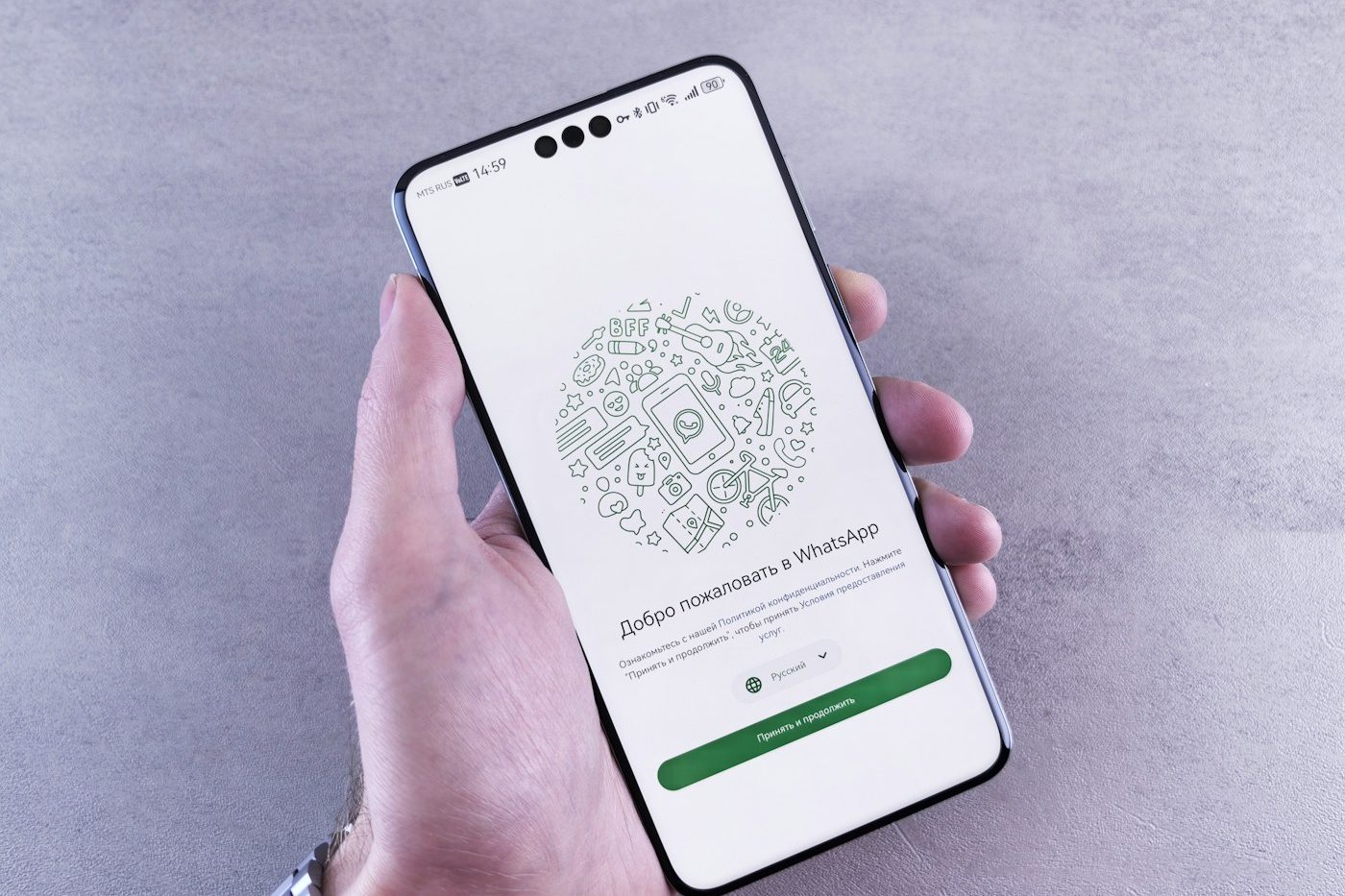
The challenge isn't communication; WhatsApp remains one of the most effective tools for human connection. The challenge is that a conversation is not a substitute for a structured order management system. While thousands of home businesses attempt to run on chat history alone, the lack of a centralized database creates significant operational risk.
Is WhatsApp Enough for a Growing Business?
To understand this tension, we must recognize that WhatsApp solved a critical problem: Trust. Customers prefer messaging people directly, and business owners appreciate that conversational, non-transactional feel. The barrier to entry is zero. However, while WhatsApp is perfect for the first stage of growth, it creates an 'operational debt' that businesses must eventually repay.
Growth Creates Complexity Faster Than Revenue
One of the most surprising aspects of running a home business is how quickly complexity outpaces income. A business with ten customers feels simple; a business with one hundred feels exponentially more complex, not because revenue has shifted, but because information has exploded. Suddenly, you aren't just selling; you are managing a web of customization requests, payment statuses, and recurring delivery schedules. Growth creates operational work long before it creates the systems to handle that work.
The Hidden Cost of Managing Everything Yourself
Many entrepreneurs mistakenly believe they are saving money by avoiding software. They rarely calculate the true cost of their own time spent searching for old messages, reconciling payments, or answering repetitive questions. The irony is that most business owners don't realize they are spending more time managing information than they are managing customer relationships.
The Spreadsheet Phase
Almost every growing business eventually adopts spreadsheets. For a while, this feels like the solution. Everything appears structured. Until a customer updates an order, a delivery is postponed, or a new product launches. The spreadsheet requires constant manual maintenance, and eventually, the business owner becomes the system. When the owner becomes the system, the business cannot scale.
How to Transition to a Scalable Business?
Successful entrepreneurs bridge this gap by adopting Local Business Software that tracks orders alongside chat. This transition from side hustle to scalable enterprise requires a shift in mindset: selling focuses on transactions, while running a business focuses on systems. Because growth rewards discipline, not just effort.
Why Repeat Customers Change Everything
The most successful local businesses eventually realize their best assets are existing customers. Whether it is a family buying baked goods monthly or an apartment community placing group orders, these relationships create predictable revenue. But recurring relationships require recurring systems. Without organization, you cannot maintain the consistency that your repeat customers expect.
The Evolution of Local Commerce
Ten years ago, the challenge was visibility. Today, with Instagram and WhatsApp, discovery is easier than ever. The primary challenge is now management. The next generation of successful home businesses will be defined not by the size of their audience, but by the strength of their operational foundations. Attention creates orders; systems create sustainable growth.
When Your Business Lives Inside Your Chats
Most owners don’t realize they are building an invisible dependency on their own memory. The business feels personal, which is a strength—until it becomes your biggest limitation. Memory simply doesn't scale.
The Home Baker Who Couldn't Find an Order
Imagine a home baker preparing for a weekend rush. An anniversary cake order exists—the payment was received, the conversation happened—but the baker cannot remember if it was an Instagram DM, a WhatsApp text, or a phone call. The issue isn't the missing cake; it's the lack of a centralized Order Management system. As businesses grow, accessible information is far more valuable than a good memory.
Why Repeat Customers Create New Challenges
While repeat customers reduce acquisition costs, they also raise the bar for service. They expect faster, more reliable, and more personalized experiences. A customer who orders once is a transaction; a customer who orders every week is an asset. Assets require professional management.
The Farm Seller's Weekly Puzzle
Consider a farm-direct seller delivering fresh produce every Saturday. As the subscriber base grows from ten families to eighty, the logistics of tracking who skipped a week, who prepaid, or who wants a customized basket become an administrative nightmare. This pattern—moving from product-centric selling to relationship-driven coordination—is the natural evolution of Proximity Commerce.
The Moment a Side Hustle Becomes a Business
The turning point for any entrepreneur isn't a revenue milestone; it's the moment systems take precedence over pure effort. Before this point, growth is fueled by hustle. After this point, growth is fueled by process.
Why Operational Stress Often Looks Like Business Stress
Small business owners often mistake operational friction for a growth problem. When orders are missed or payments are scattered, it feels like the business is struggling. In reality, the business is fine; the systems are the bottleneck. The solution isn't necessarily more customers; it is better Customer Management.
The Customer Relationship Framework
Strong businesses organize themselves around four pillars:
- Customer Information: Understanding preferences and history.
- Order Visibility: Tracking the lifecycle of every purchase.
- Payment Tracking: Managing receivables and Billing Software.
- Communication: Staying connected without drowning in noise.
Why Home Businesses Are Becoming Subscription Businesses
Many home businesses unknowingly operate as subscription models. A family ordering lunch daily or an apartment community buying produce weekly are essentially Recurring Billing arrangements. Without visibility into these repeat cycles, businesses leave significant Customer Ownership value on the table.
The Real Opportunity Isn't More Orders
Sustainable growth often comes from increasing customer lifetime value. One loyal customer placing twenty orders is vastly more valuable than twenty customers placing one. This is why Local Commerce-as-a-Service tools are essential—they nurture relationships while automating the heavy lifting.
Where Zopnote Fits
WhatsApp is great for conversations. It wasn't designed to run a business. A real business workflow starts with the conversation but doesn't end there:
WhatsApp handles the first step beautifully. Zopnote, India's LocalCommerce-as-a-Service platform, handles everything after it. The core idea: keep WhatsApp as your communication channel, and move the repeated product postings, transactions, bill communications, payments, reconciliations, and customer feedback into a proper system. Feedback in particular is personal; it doesn't belong in a group where one bad message can dent a reputation built over years.
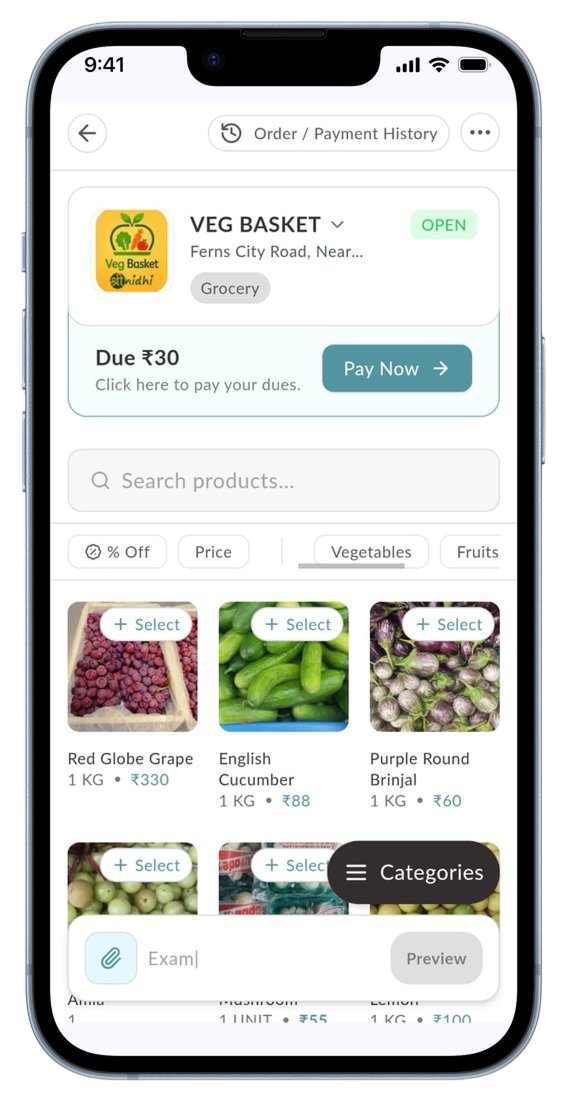
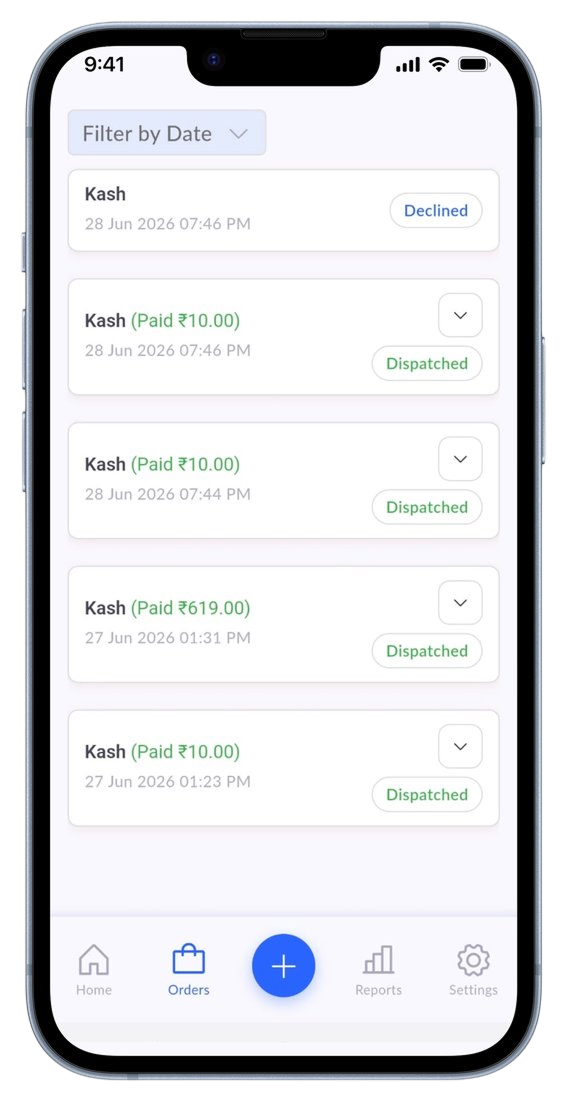
With that separation, the business owner no longer spends hours scrolling for messages, hunting order placements, or manually reconciling payments. All of it is automated inside the Zopnote app, which even generates order indents to plan supply and delivery reports by route.
Zopnote was designed for the reality that the challenge is rarely finding customers; it's managing them effectively. By bringing order management, billing, and payments into a unified dashboard, businesses can scale without losing the personal touch that built their brand. Because technology should not replace trust; it should help businesses scale it.
Frequently Asked Questions
Is WhatsApp enough to run a home business?
For very early stages, yes. But as customer volume increases, you need Subscription Management and Payment Collection features that WhatsApp cannot provide on its own.
What is the biggest challenge for growing home businesses?
Operational complexity. As the business scales, the manual labor of tracking payments and orders becomes a significant bottleneck.
When should a home business adopt software?
When manual processes begin causing errors—like missed orders or forgotten payments—it is time to professionalize your stack.
What is Customer Ownership?
It is the ability to manage and retain your own customer data rather than relying on third-party platforms to dictate your relationship with buyers.
Final Thoughts
The internet has made finding customers easy; managing them is the new frontier. At some point, every successful entrepreneur must choose: continue relying on memory and spreadsheets, or build systems that allow relationships to scale. The businesses that choose systems discover something surprising: growth becomes less stressful, and the business finally starts to feel like a sustainable organization. If your repeat orders are really subscriptions in disguise, our subscription business guide is the natural next read.
Keep the Conversations. Automate Everything Else.
Move orders, billing, payments, reminders, and reports out of your chats and into one dashboard. Save 2 to 3 hours daily and never lose an order again.
Book a Free Demo Download the Merchant App